QUY NHON UNIVERSITY HOSTS MID-TERM EVALUATION OF THE IUC-QNU PROGRAMME – PHASE 1
From 7 to 11 September 2026, Quy Nhon University (QNU) hosted the Mid-Term Evaluation of Phase 1 of the Institutional University Cooperation Programme between Quy Nhon University and the Flemish university partners (IUC-QNU), funded by VLIR-UOS.
The evaluation aimed to review the Programme’s implementation progress and achievements and to identify priorities and recommendations for improving its effectiveness in the next stage.
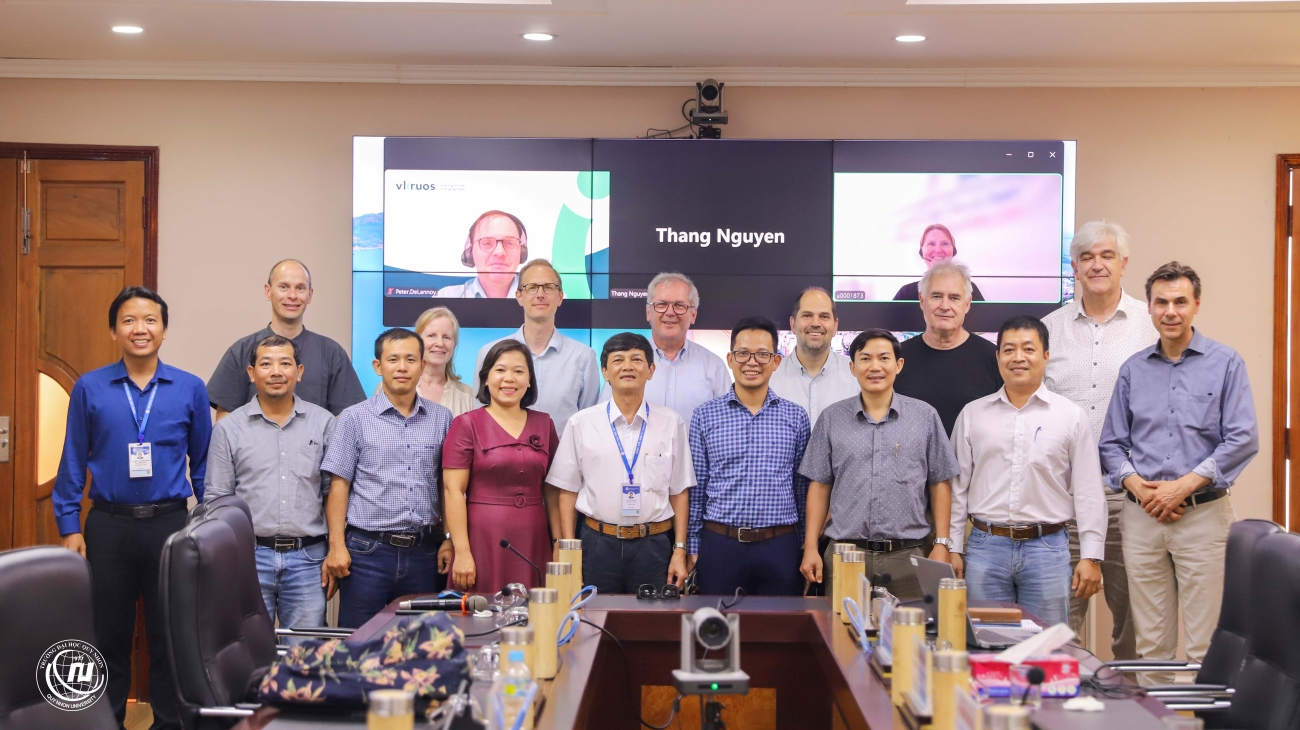
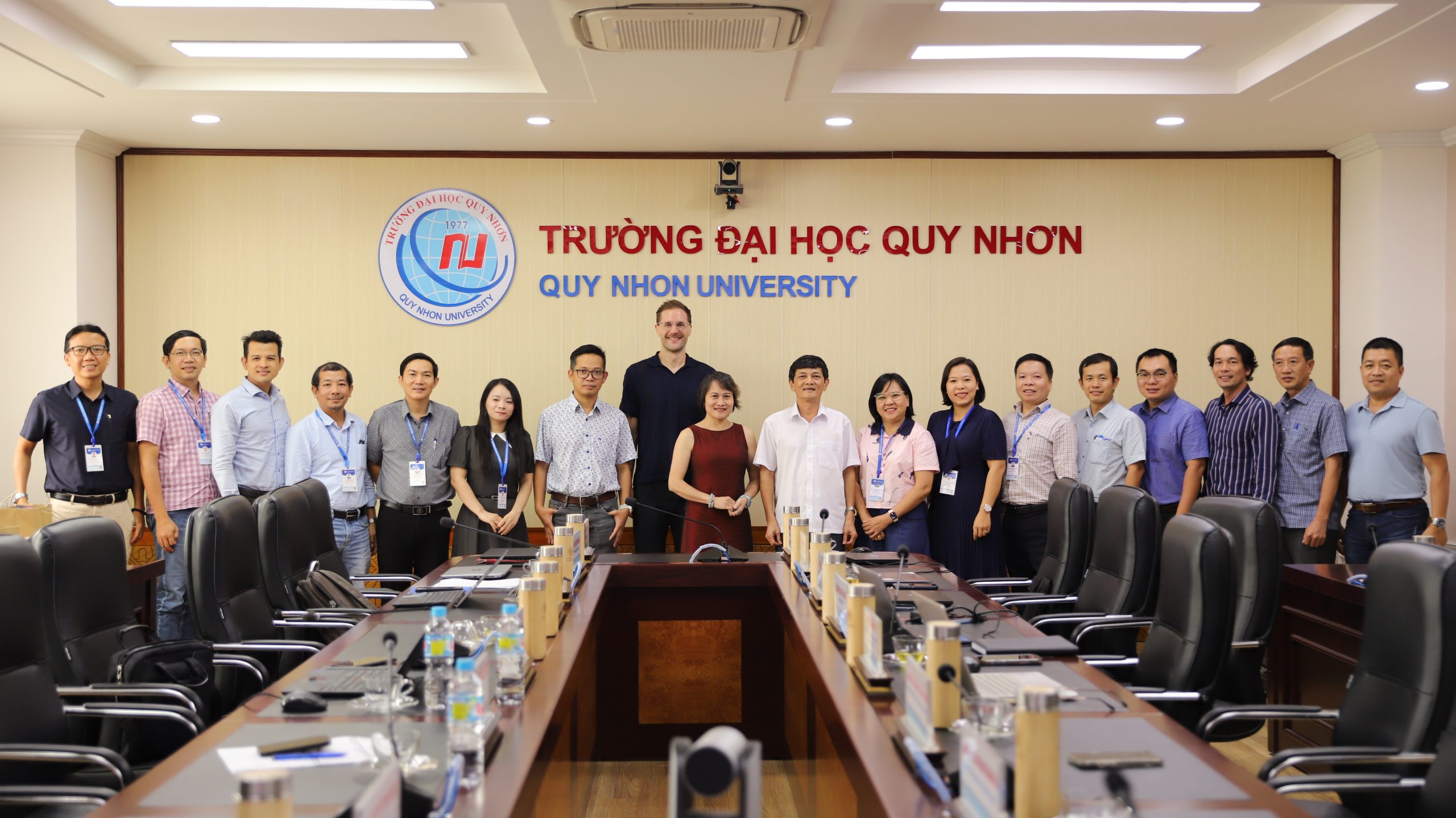
The evaluation team consisted of Dr. Do Thi Ngoc Quyen, National Consultant, and Dr. Maximilian Tallgauer, Senior Consultant at Syspons GmbH. The evaluation was conducted through both on-site and online sessions involving QNU leaders, the IUC-QNU Programme Steering Unit, leaders and members of the seven sub-projects, university units, partners, students, and other stakeholders.
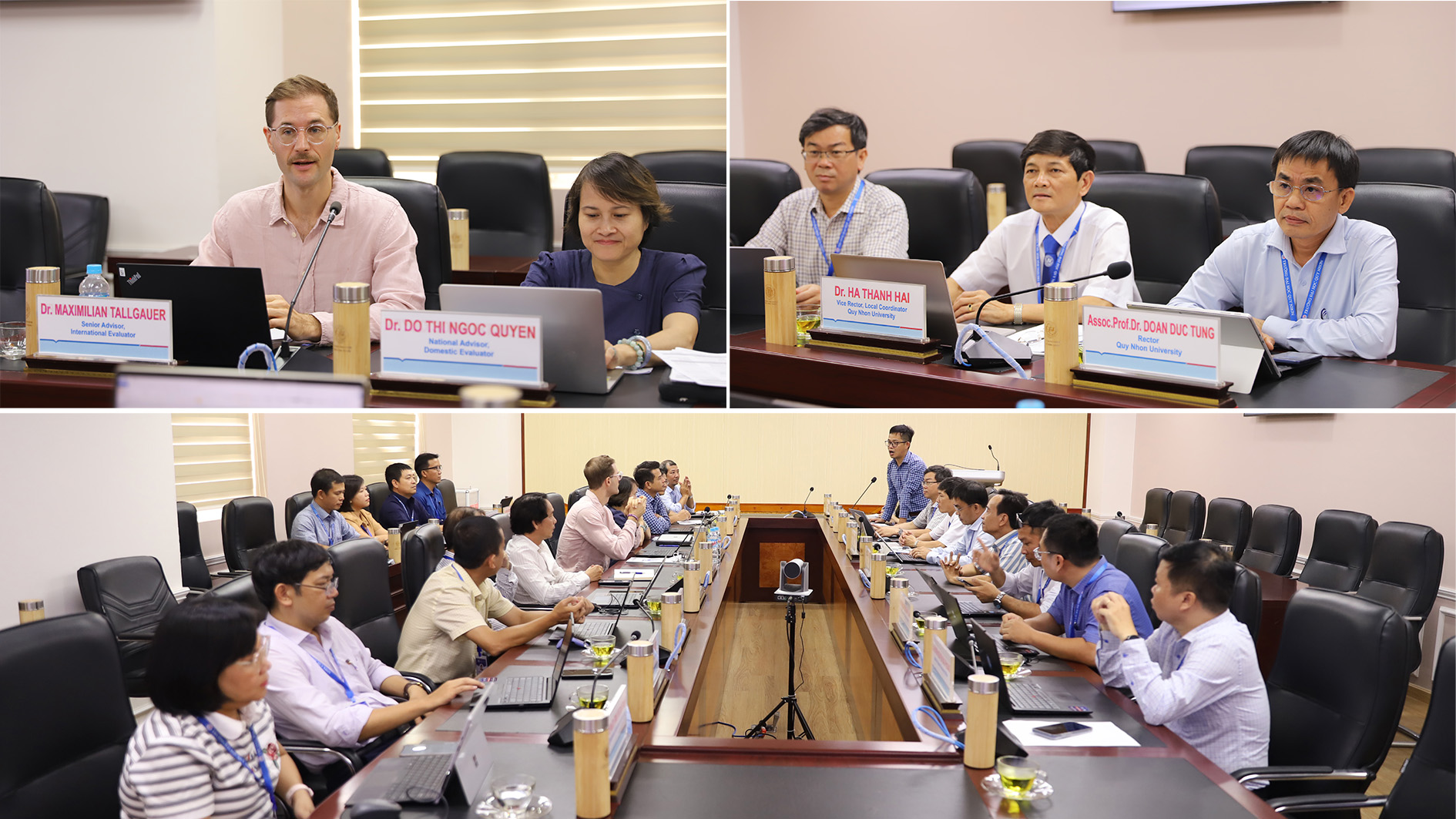
During the evaluation week, the team held discussions with QNU leaders on the Programme’s alignment with the University’s development strategy and its contributions to research capacity, internationalisation, digital transformation, community engagement, and sustainable development.
The evaluators also reviewed the progress and results of the seven sub-projects (SP1–SP7), including research outputs, capacity-building activities, use of resources, implementation challenges, sustainability, and orientations for Phase 2.
Meetings with government agencies, enterprises, cooperatives, local communities, and students provided further evidence of the Programme’s practical impacts and helped identify opportunities for future cooperation and wider application of project results.
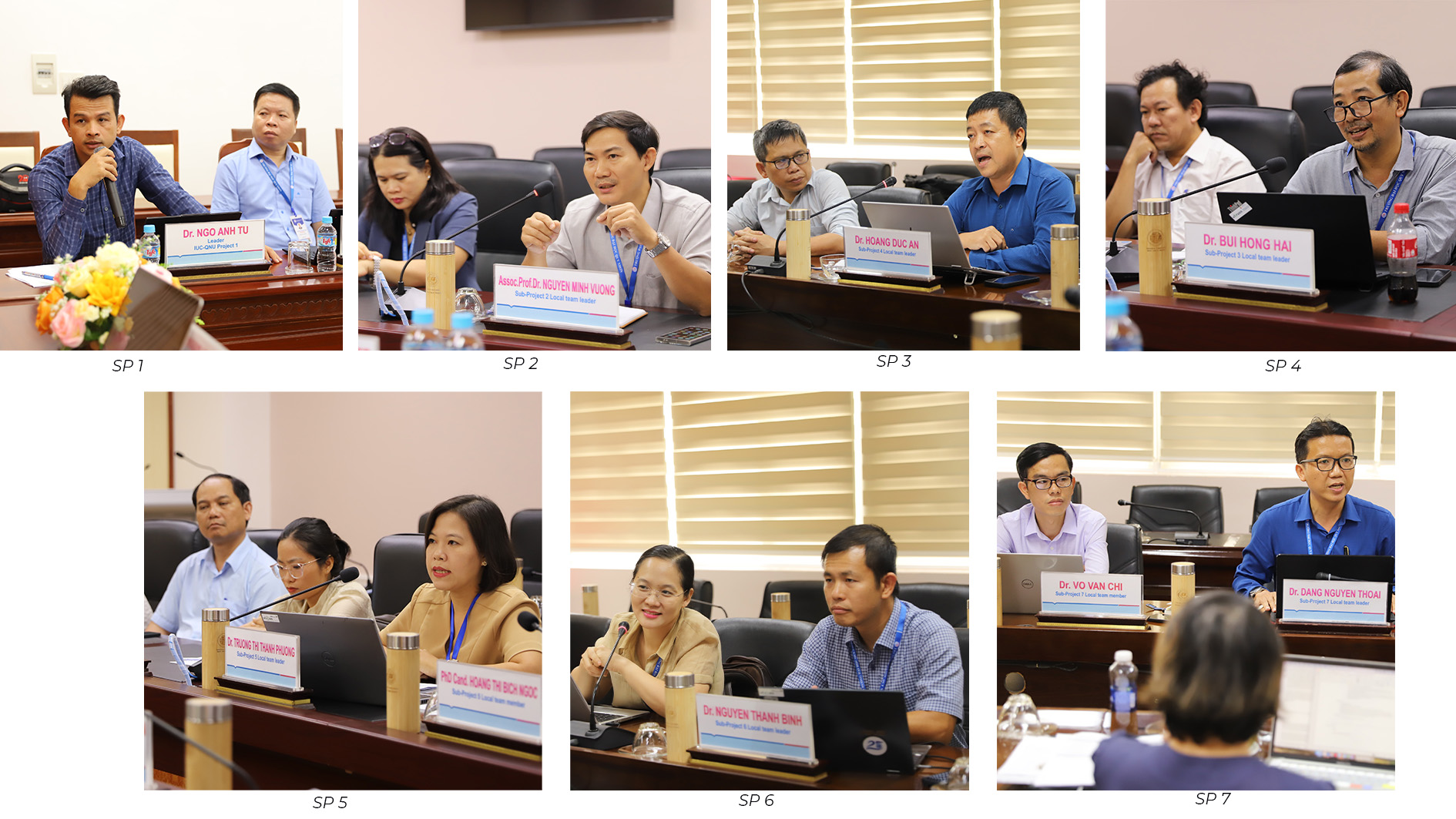
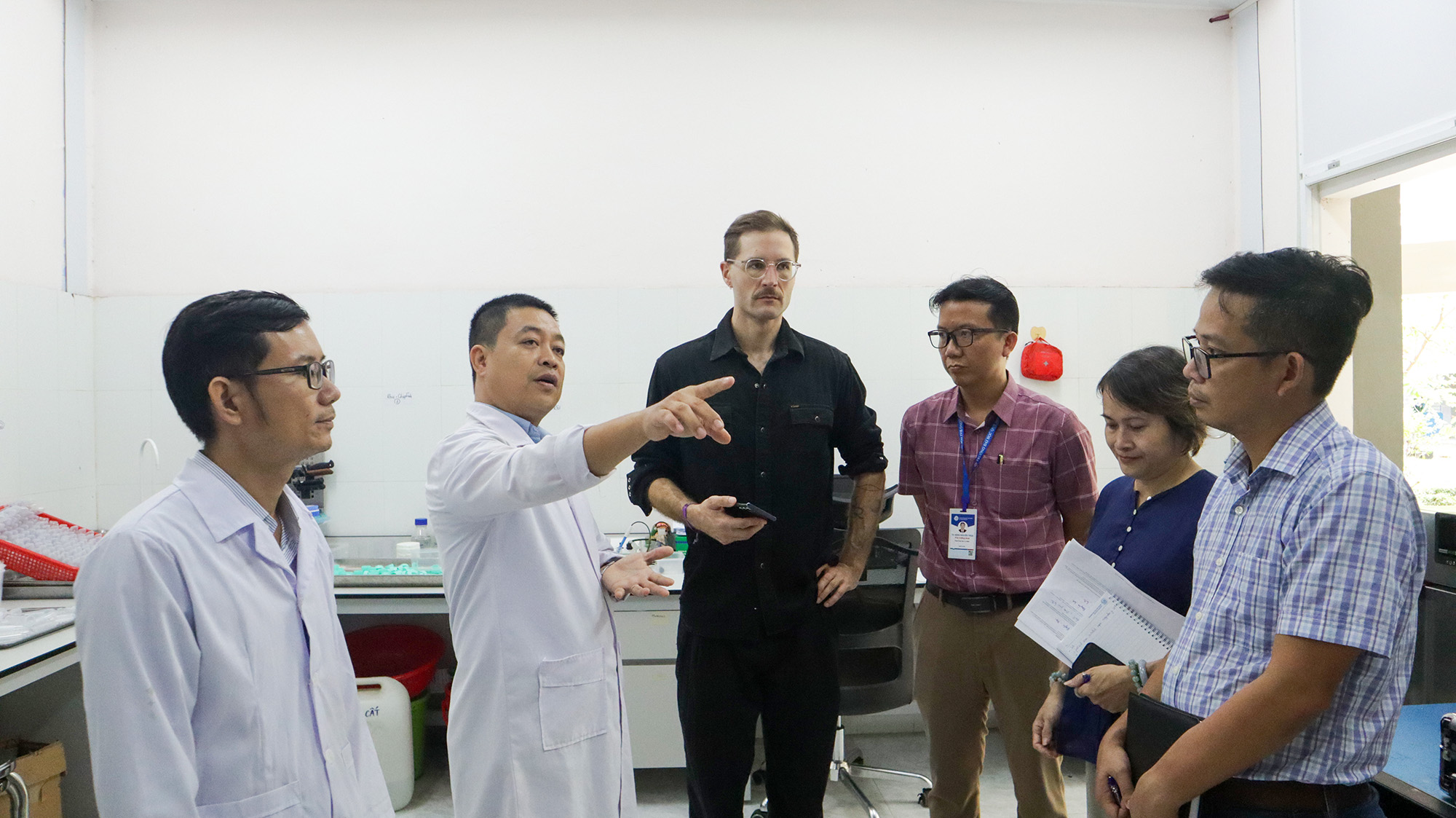
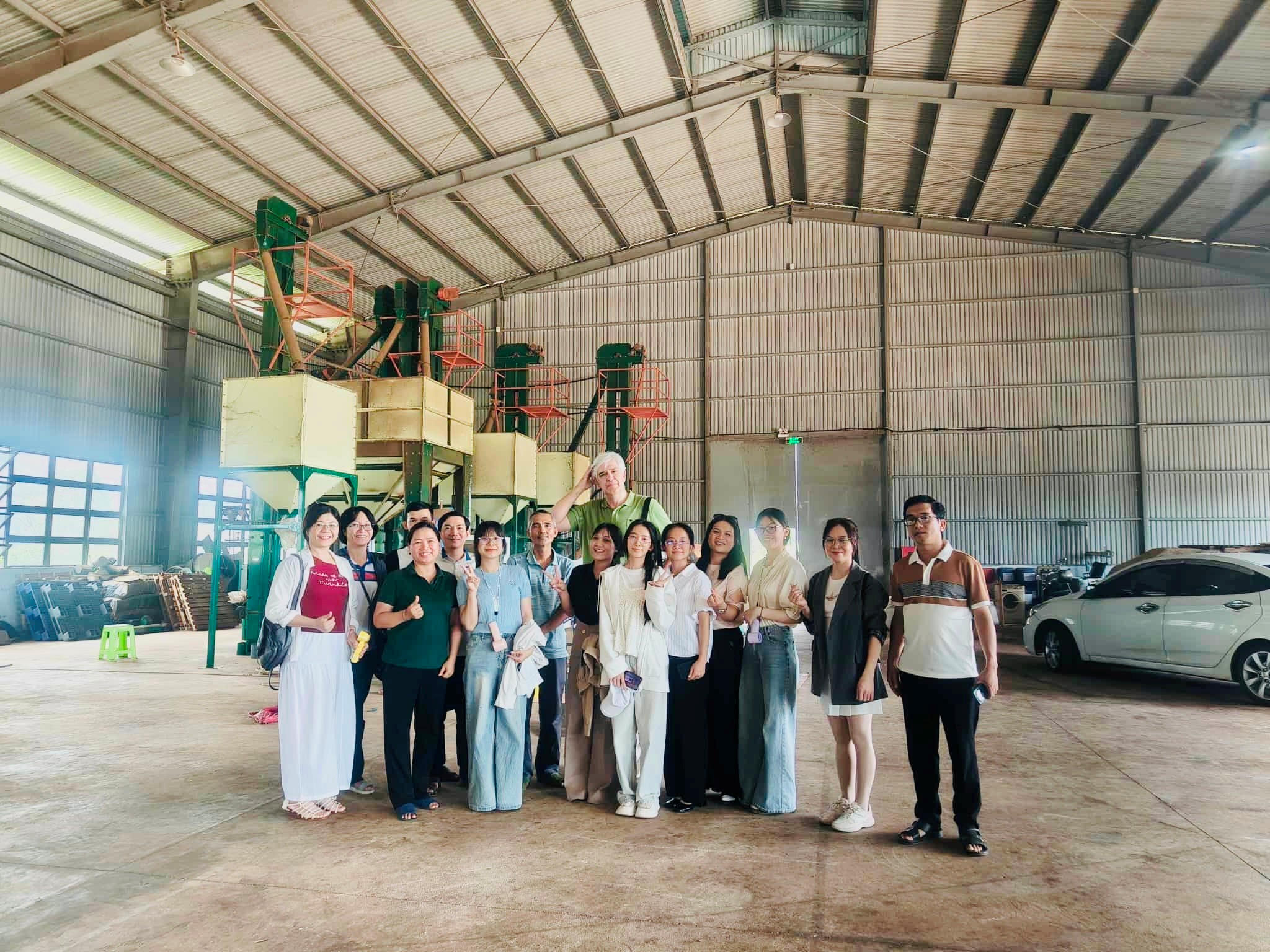
Field visits were conducted at Nhon Tan Campus and the middle reaches of the Kon River in Tay Son Commune. The evaluation team also inspected facilities supported by the IUC-QNU Programme, including laboratories, practical training facilities, the library, and digital learning resources, with particular attention to utilisation, equipment maintenance, laboratory safety, and sustainability.
At the closing session, the evaluators presented their preliminary findings, clarified additional information required, and discussed the next steps with QNU representatives.
.JPG)
The Mid-Term Evaluation provided QNU with an important opportunity to comprehensively review the implementation of Phase 1, build upon achievements, and further improve programme management, education, research, digital transformation, and international cooperation. The evaluation findings and recommendations will provide an important foundation for the effective implementation of Phase 2, with the overarching objective of strengthening QNU’s institutional capacity and promoting sustainable development.