Quy Nhon University deploys waste segregation bins – promoting a green learning environment
(IUC) – On March 12, Quy Nhon University deployed a system of waste segregation bins across multiple locations on campus to promote source-based household waste separation, gradually establishing an effective waste management model in the university environment. This activity was implemented based on discussions and proposed solutions on waste segregation and treatment within the framework of Project No. 7 – “Establishment of a sustainable lab management system and institutional waste management system at QNU”, under the IUC-QNU Program. The initiative contributes to raising community awareness and aims to build a green and sustainable learning environment.
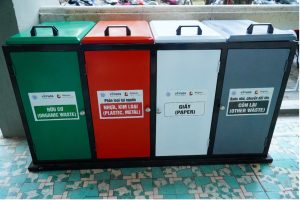
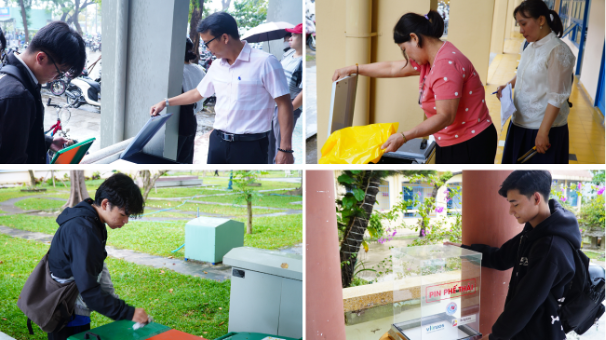
The waste segregation bins have been installed at various locations throughout the QNU campus to facilitate source-based household waste sorting.
The deployment of the waste segregation bin system has been carried out at many locations across the university campus, particularly in lecture halls, the library, and student dormitories – areas with a high density of student learning and living activities. Specifically, segregation bins have been placed at lecture halls A1, A2, A3, A5, A6, A7, the library area, the 4-storey building, the 15-storey building, and student dormitory areas such as C1, C2, and C4. The bins are designed with multi-compartment stainless-steel structures, featuring either closed or open lids depending on their placement, to facilitate convenient source-level waste sorting. In addition, the university has also installed dedicated bins for collecting used batteries at selected locations on campus to ensure proper collection, storage, and treatment of hazardous waste in compliance with environmental regulations.
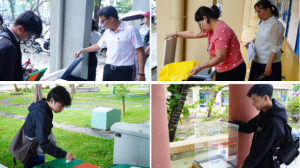
The installation and placement process of waste segregation bins across campus areas at QNU
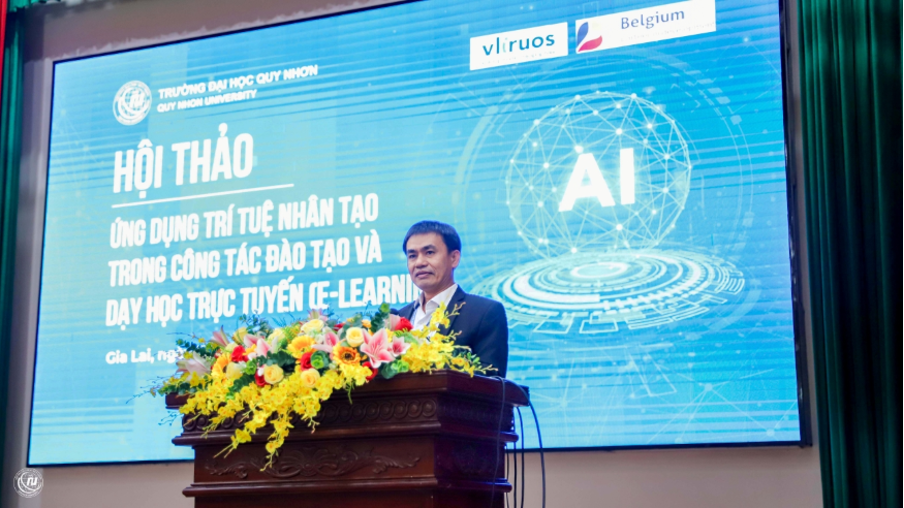
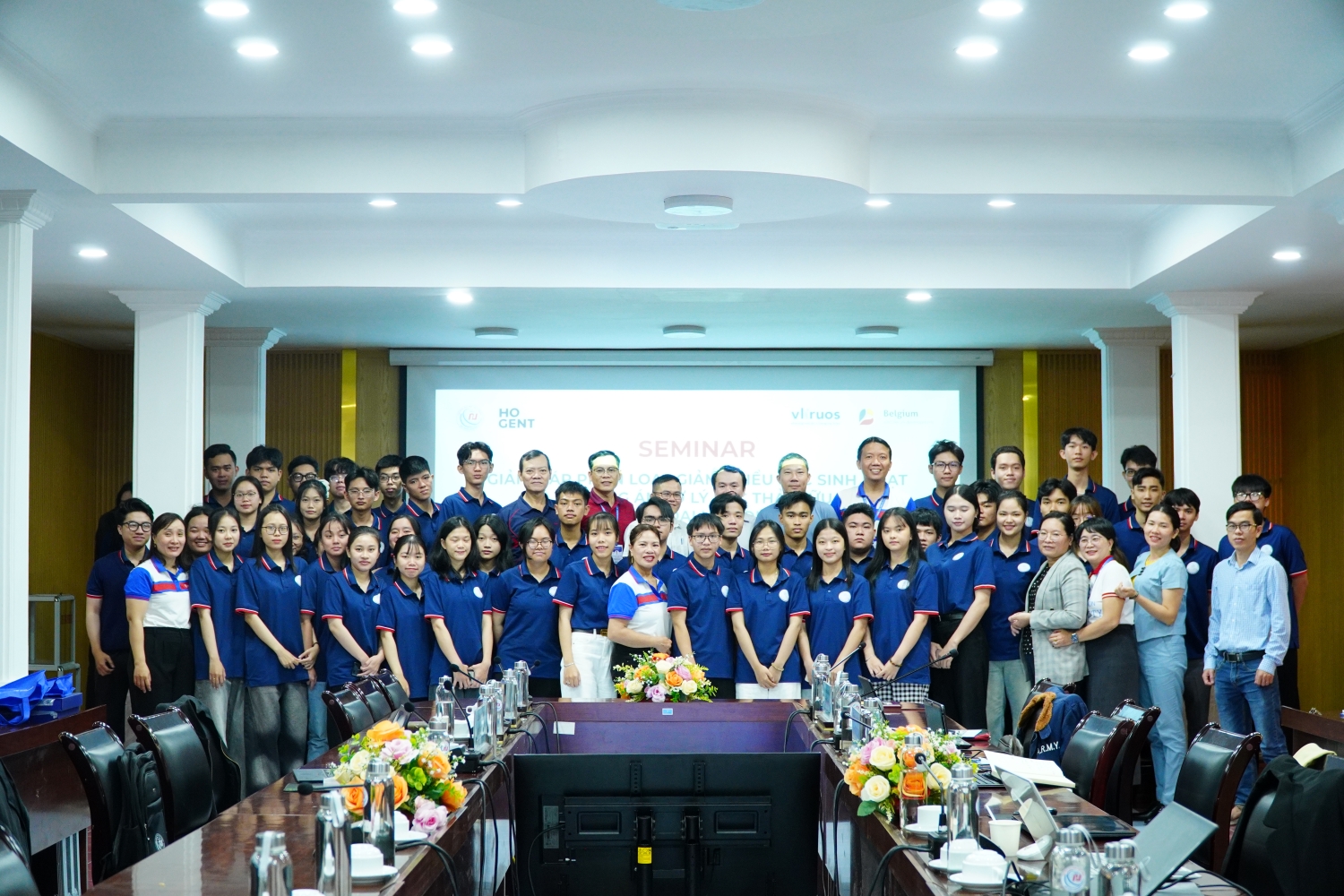
This initiative represents one of the concrete steps taken by Quy Nhon University to implement waste management solutions within the university environment. Previously, within the framework of Project No. 7 under the IUC-QNU Program, the university organized seminars to discuss solutions for waste segregation, reduction of household waste, and treatment of organic waste. These seminars attracted the participation of scientists, lecturers, postgraduate students, and undergraduates interested in environmental issues. Through these discussions, various solutions suitable to the university’s practical conditions were proposed, emphasizing the importance of source-based waste segregation as a key step in improving waste management efficiency and enhancing the environmental landscape of the campus.
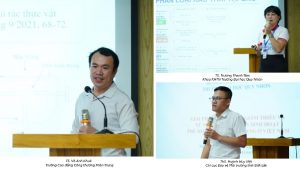
Experts presenting at seminars on solutions for waste segregation, reduction of household waste, and treatment of organic waste at QNU within the framework of SP 7, IUC-QNU Program
According to the provisions of the 2020 Law on Environmental Protection and the waste management regulations of QNU, municipal solid waste must be sorted at the source to improve the efficiency of collection, recycling, and treatment. Waste segregation not only helps reduce the volume of waste requiring landfill disposal but also enables the effective utilization of recyclable and reusable resources, thereby minimizing negative environmental impacts. In the university context, this activity also plays an important role in fostering green living habits and enhancing students’ awareness and responsibility toward environmental protection.
Through the implementation of the waste segregation bin system, QNU aims to gradually build waste sorting awareness within the academic community while promoting practical actions toward environmentally friendly lifestyles. In the coming time, the university will continue to strengthen communication and guidance on waste segregation and research appropriate waste treatment solutions suited to its actual conditions, contributing to the development of a green, clean, and sustainable learning environment.
Nguyen Quy