Quy Nhon University Organizes Laboratory Safety Training for First-Year Students in Chemistry-Related Fields
(P7-IUC) – On December 7, 2025, Quy Nhon University held the second session of laboratory safety training for more than 100 first-year students in chemistry-related fields. The program aims to enhance awareness and safety skills in laboratory practice, as part of Project No. 7 under the IUC–QNU Program funded by VLIR-UOS (Kingdom of Belgium).
The training program was designed to help students in Chemistry, Chemistry Education, and Chemical Engineering understand the mandatory regulations, procedures, and requirements for studying and conducting research in laboratories. Students were guided to identify potential hazards and learn about the Globally Harmonized System (GHS) – the international standard for chemical classification and labeling, including safety warning symbols. The activity also helped students develop skills in using equipment and chemicals, as well as responding promptly to emergency situations. This activity plays an important role in ensuring safe practices and improving the quality of education in laboratory-based disciplines.
.jpg)
Lecturers from the Faculty of Natural Sciences QNU – members of Project 7 (IUC-QNU) – conducted training sessions on laboratory safety for students.
In the morning theory session, students were introduced to key topics on laboratory safety under the guidance of Dr. Dang Thi To Nu – Senior Lecturer at the Faculty of Natural Sciences. The topics included an overview of regulations and principles to follow, hazard classification and identification according to GHS standards, proper use of protective equipment, and requirements for safe experimental procedures. Students also had their questions answered and participated in pre- and post-training surveys to assess their understanding and awareness of safety.
.jpg)
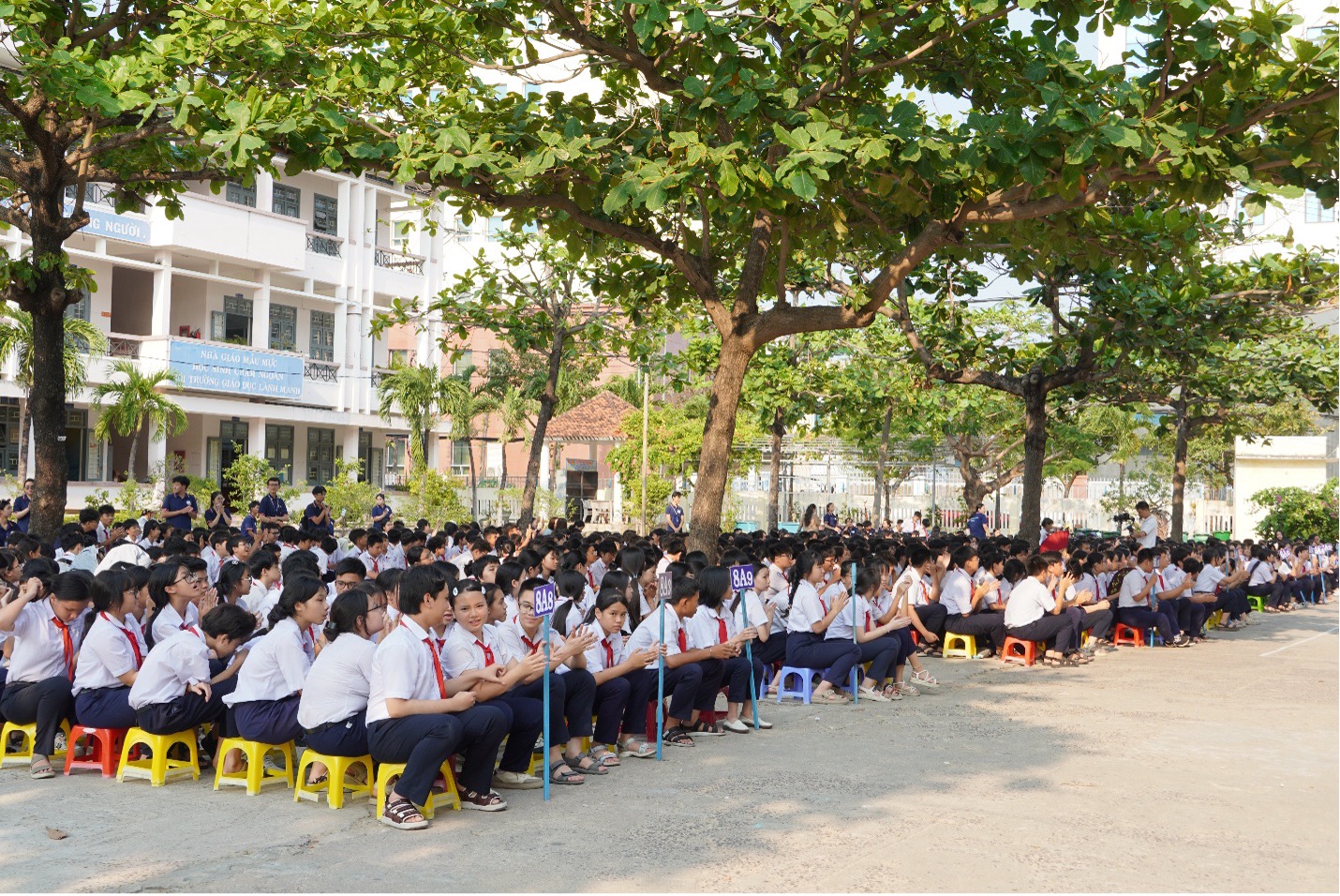
The training program was attended by more than 100 first-year students from various majors in the field of Chemistry at QNU
The afternoon practical session focused on simulated scenarios related to real learning and practice situations, helping students strengthen their application skills. Groups conducted chemical safety information searches, proper labeling, hazard identification, laboratory waste classification, and practiced emergency response procedures. Direct exposure to simulated situations enhanced students’ safety reflexes, deepened their understanding of handling processes, and fostered cautious working habits in laboratory environments.
The training session provided students with practical knowledge and skills, contributing to the development of a safe and professional working attitude in laboratories. This activity also demonstrates Quy Nhon University’s commitment to ensuring student safety, standardizing practical procedures, and improving the quality of education in laboratory-based programs. The achieved results form an important foundation for QNU to continue effectively implementing Project SP7 of QNU’s IUC program, aiming to develop high-quality scientific and technological human resources in the new stage.
.jpg)
Nguyễn Quý